Web Content Written By-Cardenas Bech
Understanding the difference between surgical and medical eye treatment is crucial when it comes to eye health and wellness. Surgical eye treatment addresses major problems with invasive treatments, while clinical eye care focuses on prevention and monitoring of much less severe problems. Understanding when to seek each kind of treatment can considerably impact your vision. As you consider your own eye wellness, you may wonder which course is appropriate for you. Allow's explore these options further.
Review of Surgical Eye Care
When you consider eye treatment, surgical eye care typically comes to mind as a vital choice for attending to serious vision issues. This sort of care focuses on procedures that can correct or enhance substantial issues, such as cataracts, glaucoma, or retinal disorders.
You may consider LASIK or PRK for refractive mistakes, allowing you to lower reliance on glasses or contacts. Surgical eye care includes a detailed analysis by an ophthalmologist, that'll guide you via essential examinations and go over the best options.
While these treatments can provide amazing outcomes, it's important to understand the threats and recovery procedures entailed. Ultimately, surgical eye care can offer life-altering enhancements to your vision, boosting your lifestyle significantly.
Introduction of Medical Eye Treatment
While surgical eye care addresses substantial vision concerns via treatments, medical eye care concentrates on the prevention, diagnosis, and therapy of less extreme eye problems.
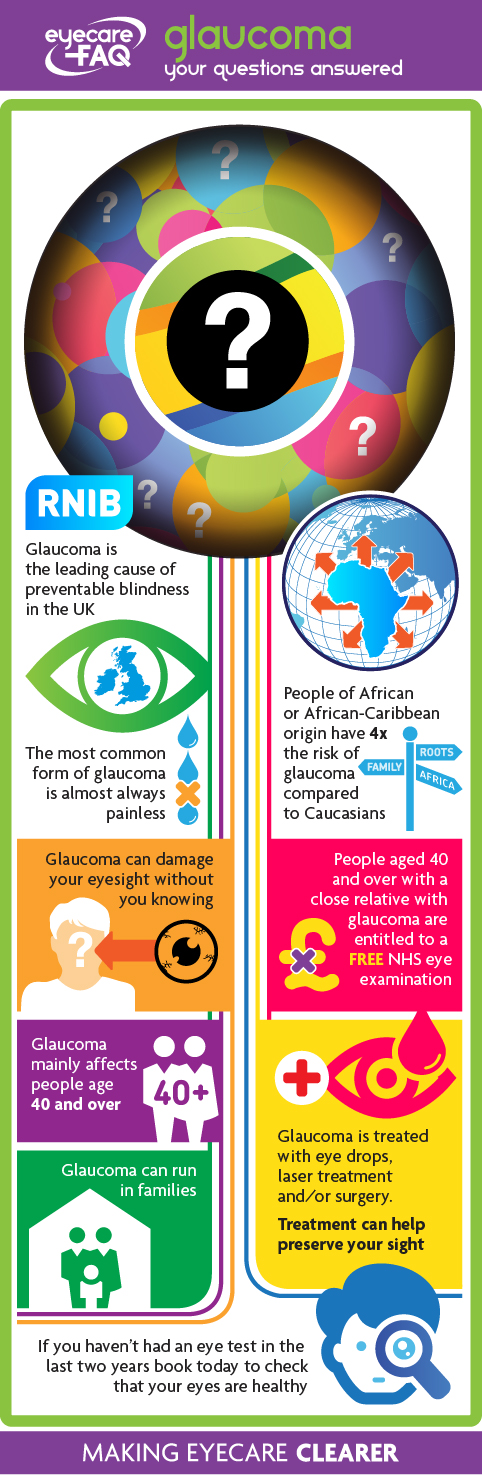
This type of treatment often involves handling persistent conditions like glaucoma, cataracts, and diabetic retinopathy. You'll typically see an eye doctor or eye doctor for detailed eye examinations, where they'll analyze your vision and eye health.
They might recommend medications, suggest way of life modifications, or give non-invasive therapies to assist preserve your vision. Normal check-ups are crucial, as they can catch potential issues early.
When to Look for Each Type of Care, ##
Knowing when to look for surgical or medical eye care can make a substantial distinction in your vision health. If you experience sudden vision changes, like blurriness or loss of sight, it's essential to look for immediate clinical attention.
Clinical eye treatment is commonly your first step for conditions like dry eyes, allergic reactions, or infections. You should see an optometrist for regular exams to handle ongoing issues.
On the other hand, if you're dealing with sophisticated cataracts, retinal detachment, or glaucoma that hasn't responded to drug, medical treatment might be needed.
Constantly trust your reactions-- if something really feels off with your eyes, do not wait to consult an expert. Your proactive technique can cause far better results for your vision.
Verdict
In conclusion, recognizing the distinction between medical and clinical eye care is vital for keeping your vision. Alternatively, for much less severe concerns, regular clinical treatment can maintain your eyes healthy and prevent further troubles.
Surgical Eye Treatment vs. Medical Eye Care: Understanding the Difference
When it comes to eye health and wellness, recognizing the distinction between surgical and medical eye care is crucial. Surgical eye care addresses serious conditions through intrusive treatments, while clinical eye care concentrates on prevention and management of less extreme problems. In conclusion, understanding the difference between surgical and clinical eye treatment is vital for keeping your vision. On the other hand, for much less serious issues, regular clinical treatment can keep your eyes healthy and balanced and protect against additional issues.